
Although I finished my PhD years ago, I have the good fortune to continue to be welcome at the weekly lab meetings for my advisor, Gerard Saucier, where he talks with his grad students about the many interesting things he’s working on and thinking about. Today’s meeting covered what he described as a “smorgasbord” of topics, among them cultural differences in value hierarchies, or more simply put, what people believe is important.
Several philosophers have proposed their own hierarchies of values, like Francis Hutcheson and Jeremy Bentham. In general, at the very top of the hierarchies are more universal values: the well-being of everyone. Next comes the well-being of one’s own family and friends, then more abstract good things like art and science, then one’s own interests that don’t cause harm to others, and at the bottom, more selfish gratifications that may involve treating others poorly. In other words, if your highest principles are the public good, you could use this ranking to decide how to prioritize things you might be interested in doing.
But in his research, Gerard has learned something interesting, which caught my attention in the past, and which he mentioned today also – there’s another familiar value ordering that’s different from the philosophers’ hierarchies. It goes like this: At the very top, we have success – not necessarily money or material goods or with a disregard for others, but pursuing one’s ambitions with regard for intelligence, wisdom, family security, and self-respect. After that comes true friendship, enjoying life, being responsible, honest, and broad-minded, in a “world Continue reading
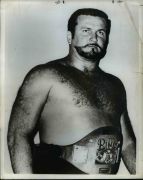 Way back in the day, my Grandpa Ben was a big fan of

 One thing that isn’t a story is a description of sensations and impressions. It could be the wildflowers you saw on your walk through the woods, a strange cloud in the sky, the interesting melody that’s stuck in your head, the happiness you felt when your extra-shy kitten reached with his extra-big paws to grab at your hand. None of those are stories. This distinction points out a key difference between people with moderately advanced dementia and people with healthier brains, by the way: Once you’ve got dementia, your brain still has plenty of input of what’s going on around you – you still see and hear things – but you tend to lose your ability to connect your impressions coherently, which includes being able to tell a full-scale story about them.
 The Meta-Narrator