Say what you will about British Prime Minister Boris Johnson – the man clearly grasps the political power of meta-narratives. Tom McTague profiled Johnson in the latest issue of The Atlantic, and concluded that to Johnson, “the point of politics – and life – is not to squabble over facts; it’s to offer people a story they can believe in. In the prime minister’s view, those who wanted to remain in the EU during the Brexit referendum didn’t have the courage to tell the real story at the heart of their vision: a story of the beauty of European unity and collective identity. Instead, they offered claims of impending disaster were Britain to leave, most of which haven’t come to pass, at least not yet. The story voters believed in was fundamentally different—in Johnson’s words, “that this is a great and remarkable and interesting country in its own right.” “People live by narrative,” he told me. “Human beings are creatures of the imagination.”
Johnson is right about several things.
Continue reading
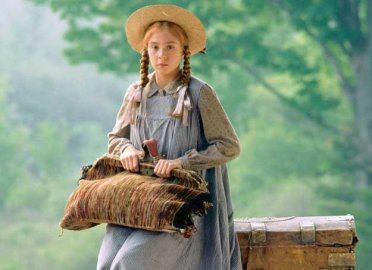
 For the TV series, however, its Avonlea spinoff was probably designed to appeal across genders – although the main character was ostensibly Sara Stanley, an orphaned rich girl sent to live with her family on Prince Edward Island, the character who really captured our hearts and imaginations was Gus Pike, introduced in the second season, the earnest, poor, musically gifted son of a rascally pirate.
 Way back in the day, my Grandpa Ben was a big fan of